Projects
DI Water Conductivity Sensor Development
Show More
Description:
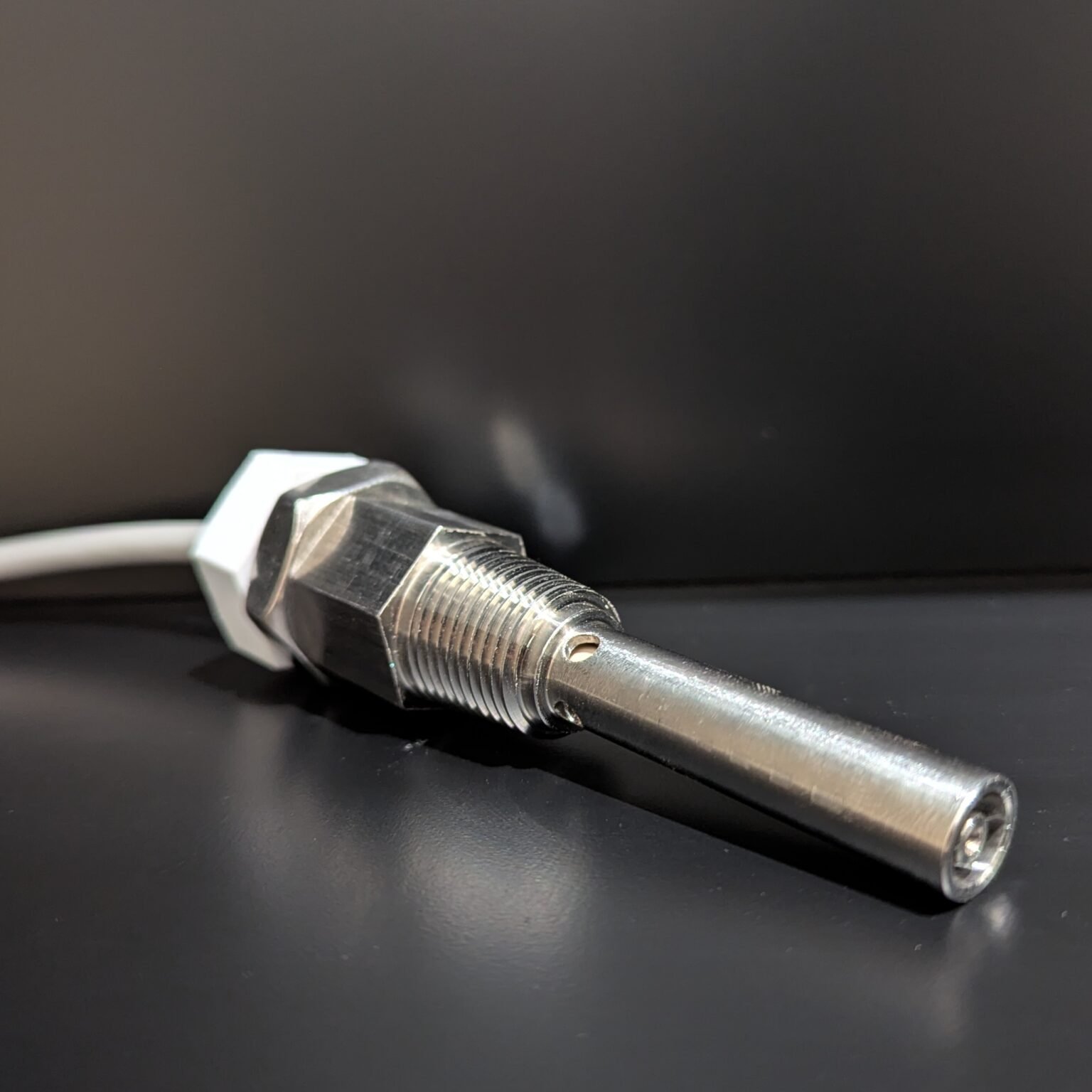
A high-precision DI water conductivity sensor was developed for an industrial client requiring reliable water quality monitoring in purity-critical applications such as hydrogen production and process control. The system was engineered as a complete solution — combining mechanical design, precision electronics, and integrated microcontroller (MC) software for signal processing and communication.
Key Work:
- Designed a custom probe and electronic interface for ultra-low conductivity measurement (down to 0.04 µS/cm)
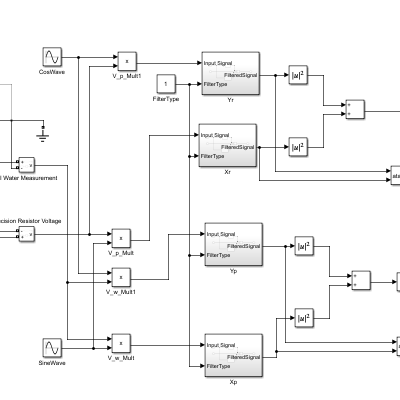
- Implemented an conductivity measurement algorithm, developed and verified through MATLAB Simulink modeling
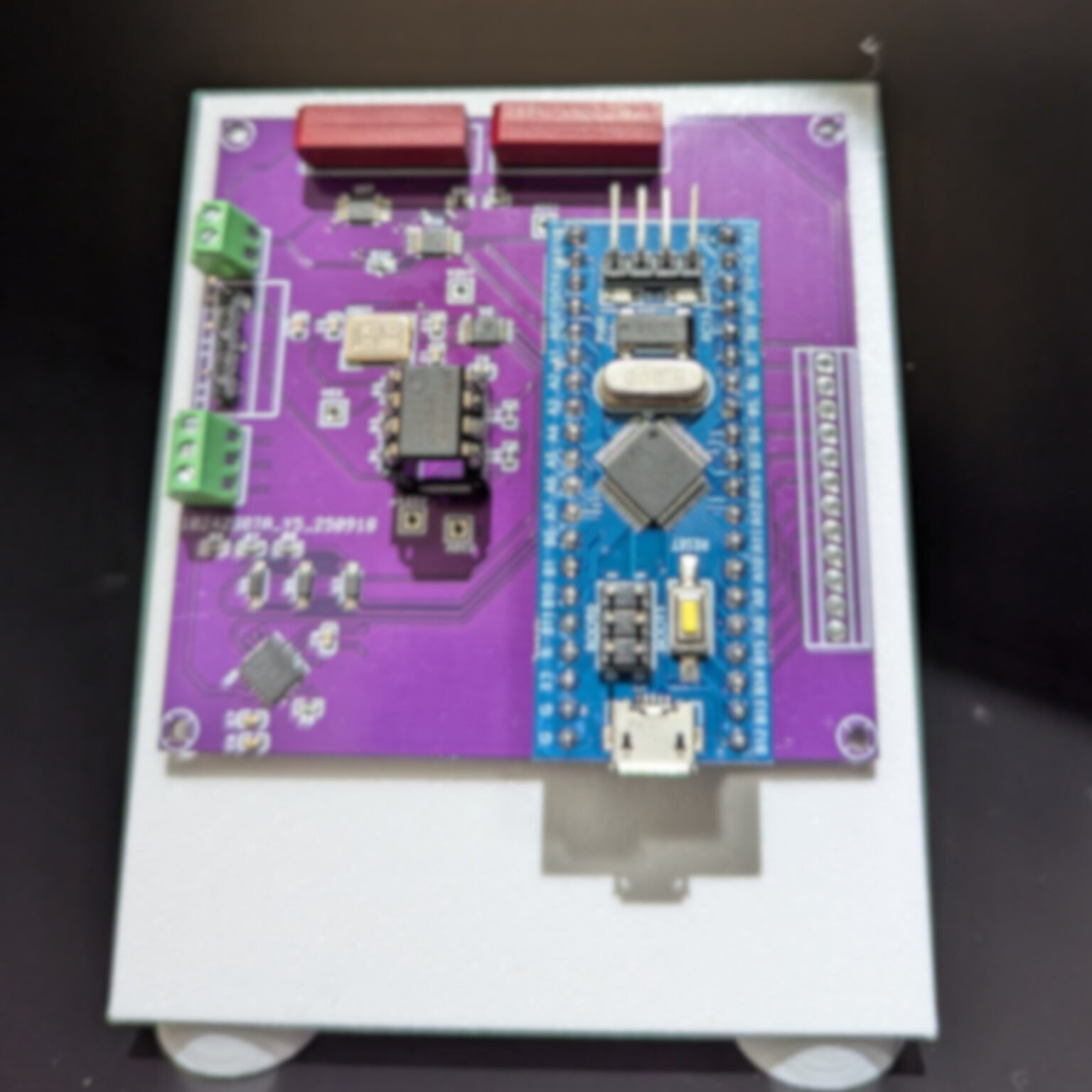
- Integrated a PT100 temperature element within the conductivity probe, with dedicated signal-conditioning electronics on the PCB
- Developed STM32-based firmware for excitation control, signal acquisition, temperature compensation, and data communication
- Used the Simulink model to support component selection, performance analysis, and troubleshooting
- Provided modular interface options (Modbus and 4–20 mA) for flexible system integration
- Performed calibration and verification
Technologies Used:
STM32 · STM32CubeIDE · MATLAB Simulink · EasyEDA · PT100 temperature sensing · Modbus / 4–20 mA communication
Impact:
The project demonstrated Borzhu’s capability to deliver full-stack, firmware-integrated instrumentation — from algorithm design and simulation to PCB, firmware, and mechanical integration. The resulting system achieves precise, stable conductivity measurement at ultra-low ranges, enabling cost-effective water quality control for purity-critical industrial applications.
Smart Hi-Pot Router - 1500VDC Connector Test Automation
Show More
Description:
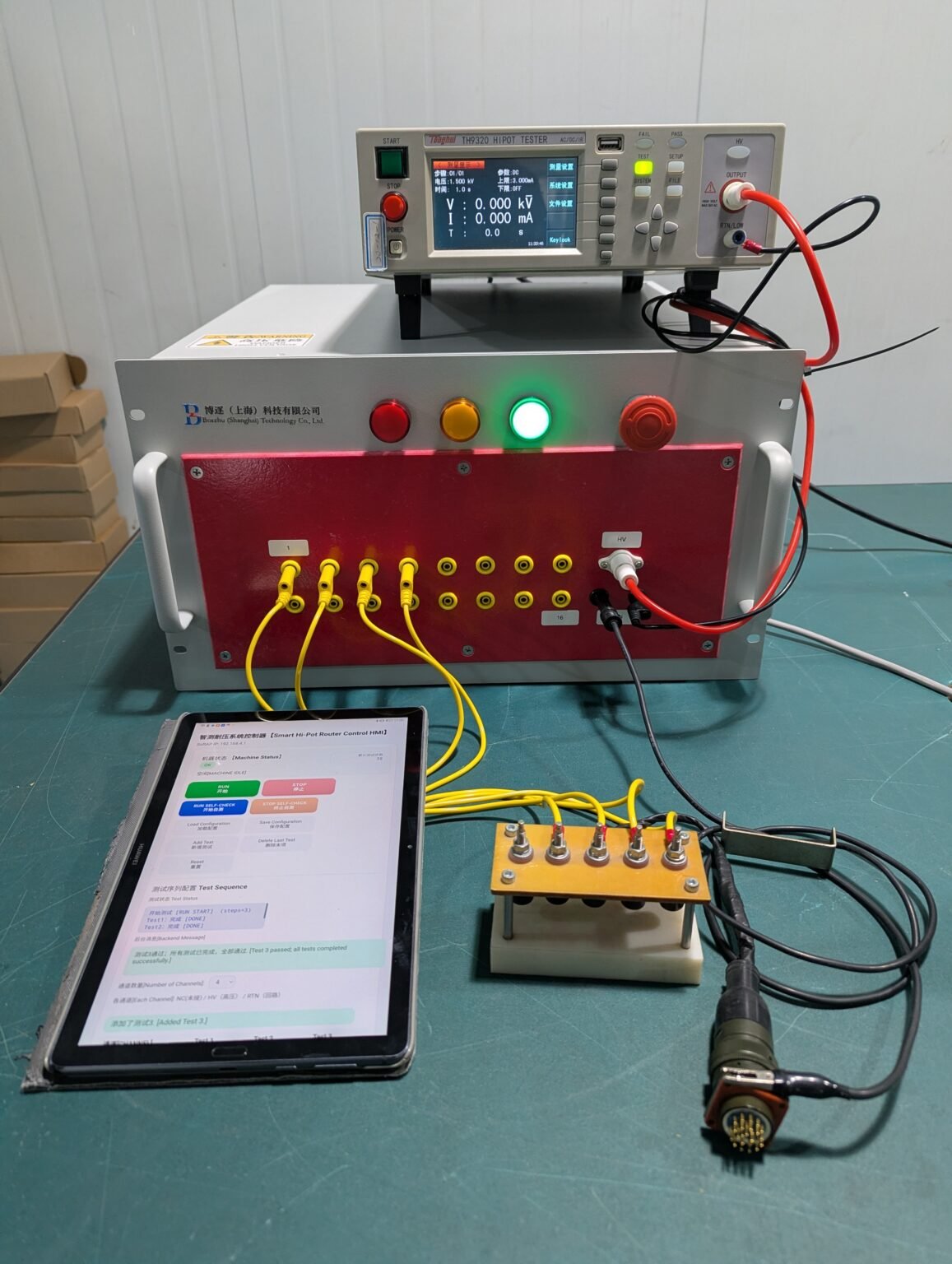
A custom high-voltage routing system was developed for an industrial client to automate hi-pot testing of multi-pin electrical connectors.
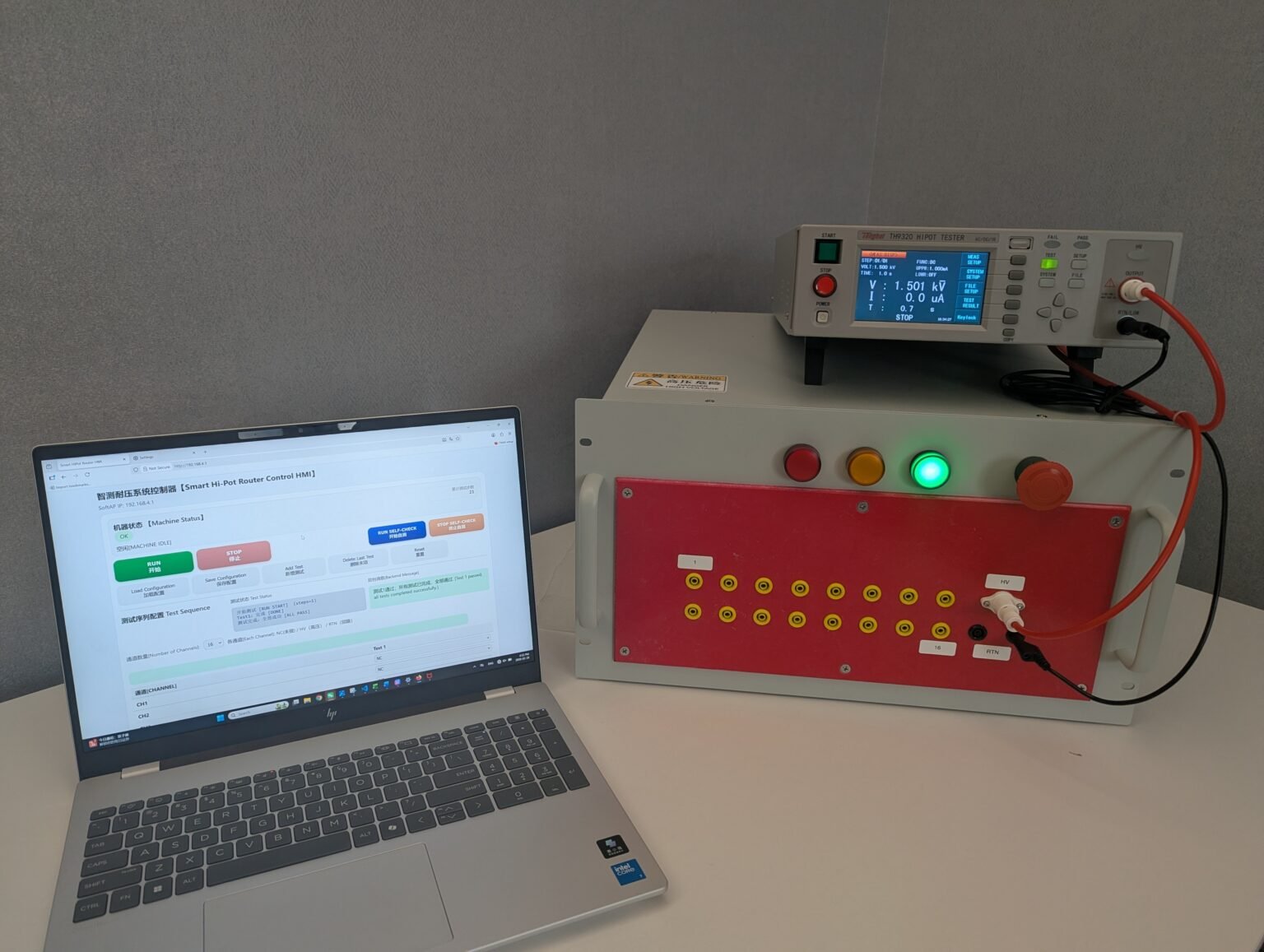
The Smart Hi-Pot Router was engineered as a modular embedded control platform capable of routing up to 1500 VDC across 16 channels, automatically switching each channel between the high-voltage (HV) and return (RTN) terminals according to a predefined test sequence.
The system integrates embedded control, high-voltage relay switching, and a browser-based user interface, enabling operators to configure and run test sequences directly through a browser without requiring external PC software.
Key Work:
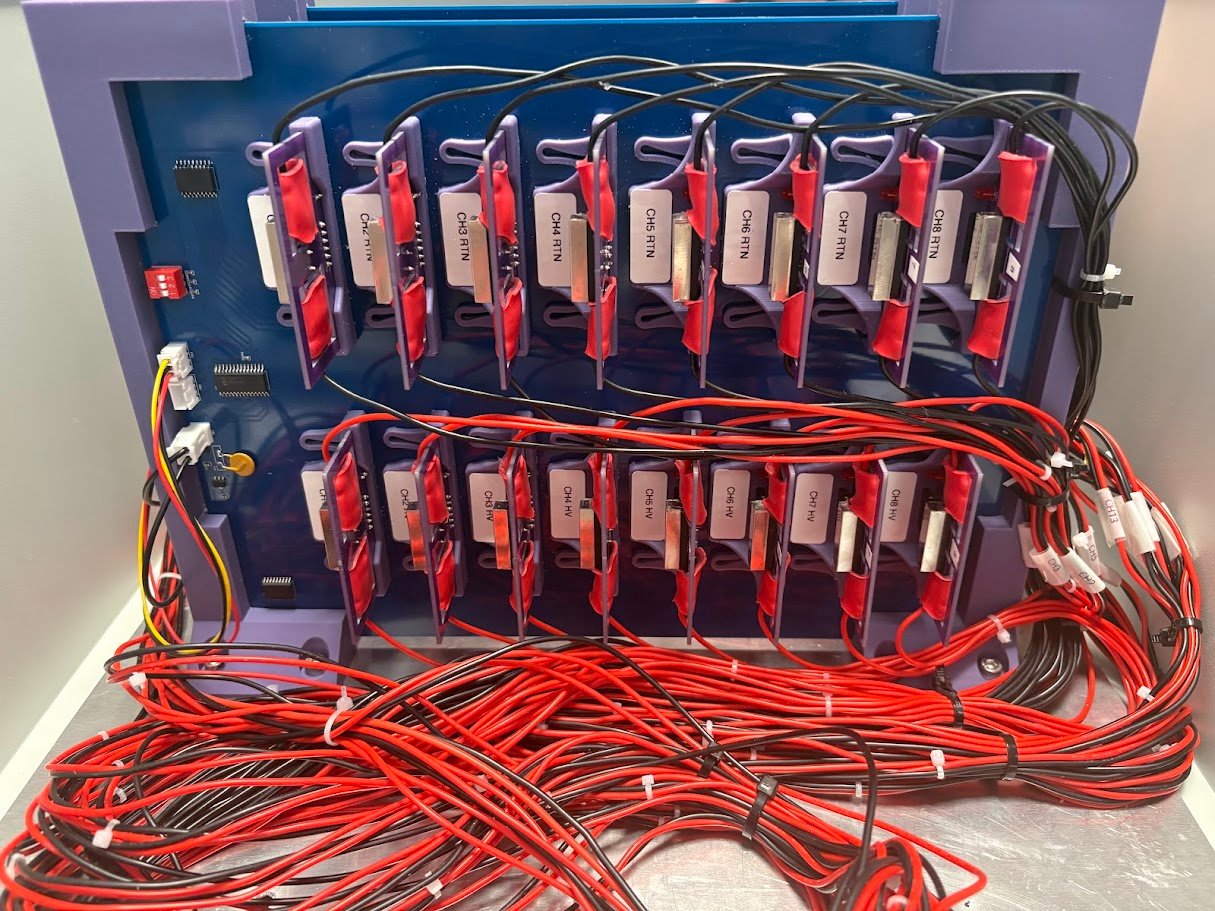
- Designed a high-voltage relay switching architecture capable of safely routing up to 1500 VDC across multiple test channels
- Designed high-voltage PCB in-house, ensuring appropriate creepage, clearance, and insulation considerations for reliable 1500 VDC operation
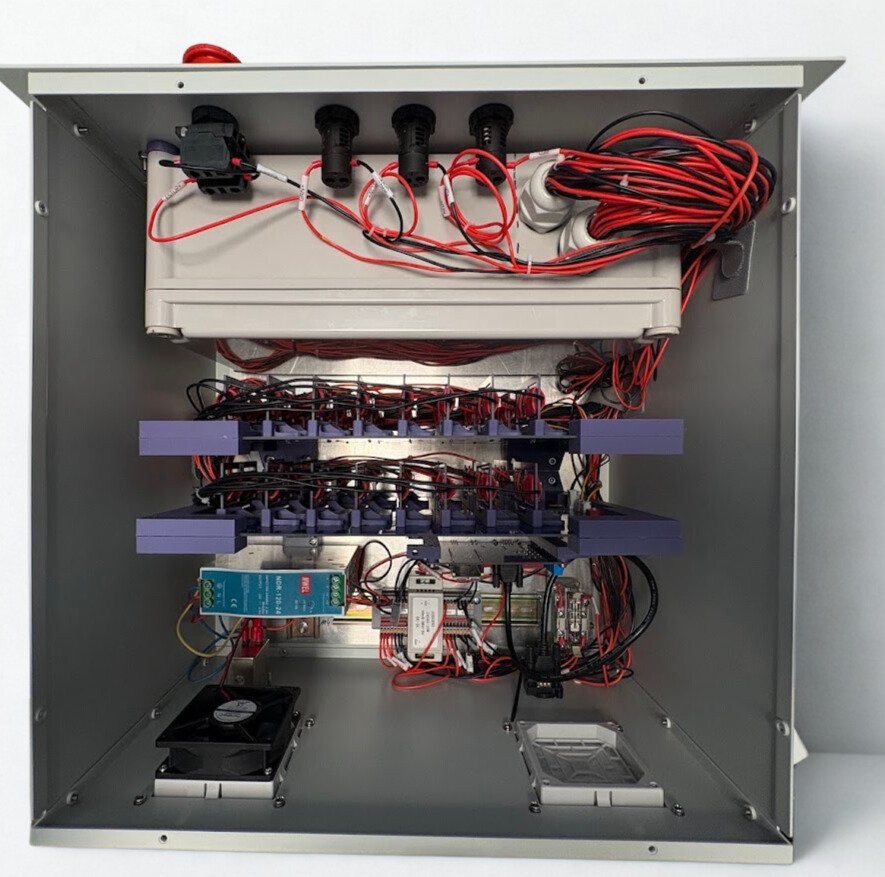
- Developed a modular relay bank architecture enabling scalable channel count and flexible connector test configurations
- Implemented an embedded control system to manage test sequencing, safety interlocks, and relay switching logic
- Developed a browser-based HMI hosted on the embedded controller, allowing test sequence configuration and execution through a web interface
- Designed and assembled the electrical system, PCB control electronics, and mechanical enclosure
- Commissioned system on-site and validated automated test operation with the client’s hi-pot tester
Technologies Used:
ESP32-S3 · Embedded Web HMI · High-Voltage Relay Switching · Industrial Control Electronics · High-Voltage Safety Design· Engineering design tools·
Impact:
The system transformed a manual hi-pot testing workflow into a repeatable automated process, significantly reducing operator intervention and improving test consistency.
This simplified workflow reduces testing time for a typical connector with 8 pin groups by 60–70%, while also enabling multiple connectors to be tested simultaneously to further improve throughput.
The modular switching architecture allows the platform to be adapted to different connector types, channel counts, or test configurations, making it suitable for a range of applications including battery systems, power electronics, and clean-energy equipment where controlled high-voltage routing is required.
This project demonstrates Borzhu’s ability to deliver custom embedded industrial equipment, integrating hardware design, firmware development, and system-level engineering into practical automation solutions.
Custom Electrolysis Stack for Solar Module Integration

Show More
Description:
A custom-built electrolysis stack was designed and built for direct operation from a solar module, enabling efficient green hydrogen production with minimal electronics, high resilience, and cost-effectiveness.
Key Work:
- Custom electrolysis cell architecture designed from scratch
- Selected and sourced materials for electrodes, membranes, and housing
- Current-voltage behavior modeled to match solar panel characteristics
- Integrated the system for optimized efficiency without complex power electronics.
- Real-world testing under varying sunlight conditions
Technologies Used:
SolidWorks · Electrochemistry modeling · Embedded system prototyping · Materials selection
Impact:
The system demonstrated low-cost, direct solar-powered hydrogen production—eliminating the need for DC/DC converters or battery buffering. This provides a simple, standalone solution for green energy applications.
Precision Smart Rotator with IoT Control Prototype

Show More
Description:
An IoT-enabled stepper motor system was engineered for high-precision remote control, featuring real-time adjustments via smartphone and automated motion sequencing.
Key Features:
- Smartphone Dashboard
- Live RPM/direction control via sliders
- Angle targeting with position feedback
- Programmable Automation
- Preconfigured motion profiles (acceleration, steps, dwell time)
- Camera trigger synchronization
- Compact Mechanical Design
- Custom 3D-printed housing (Fusion 360)
- Integrated electronics compartment
Technologies Used:
Circuit design · Fusion 360 · IoT protocols (MQTT)